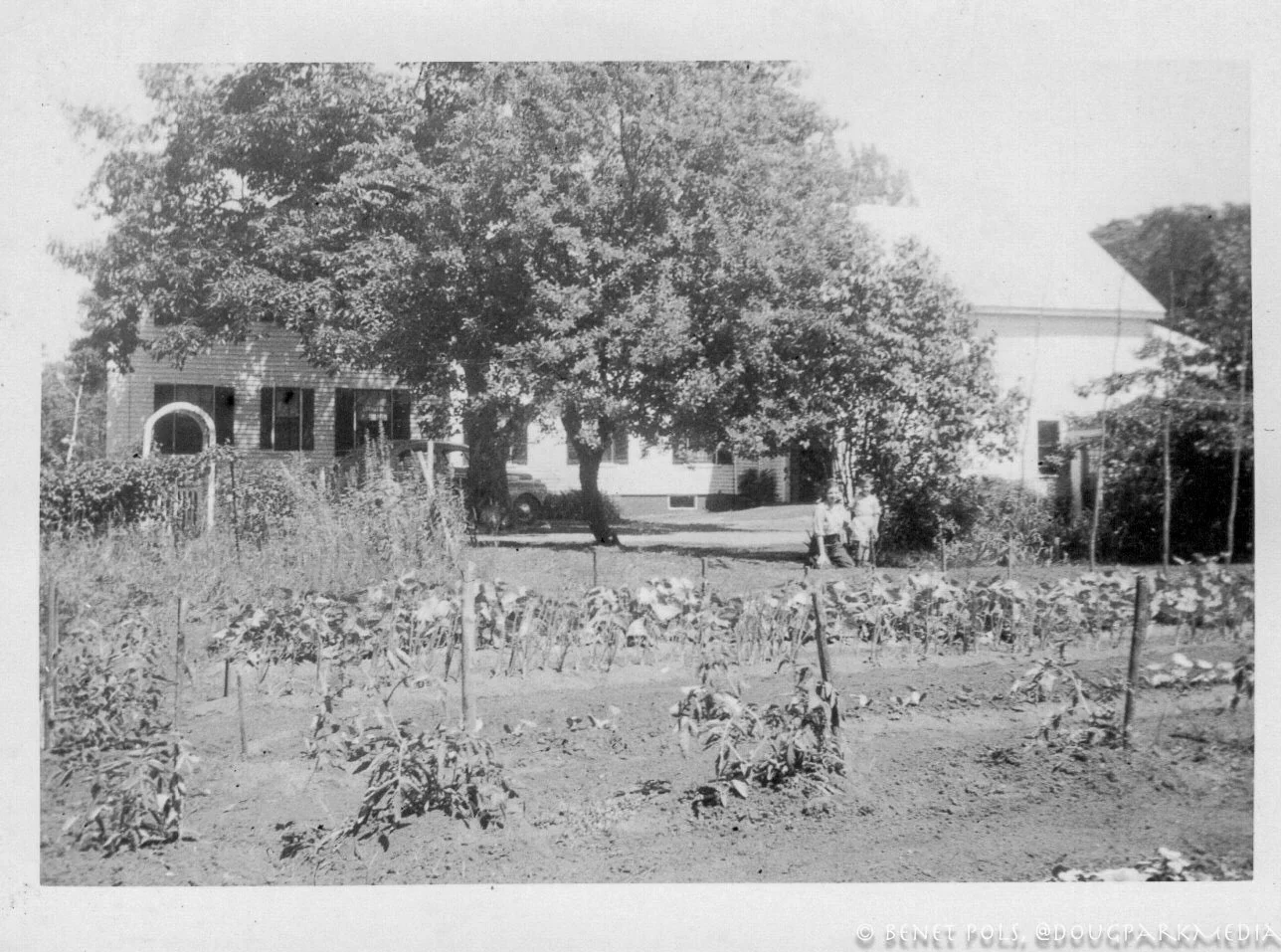
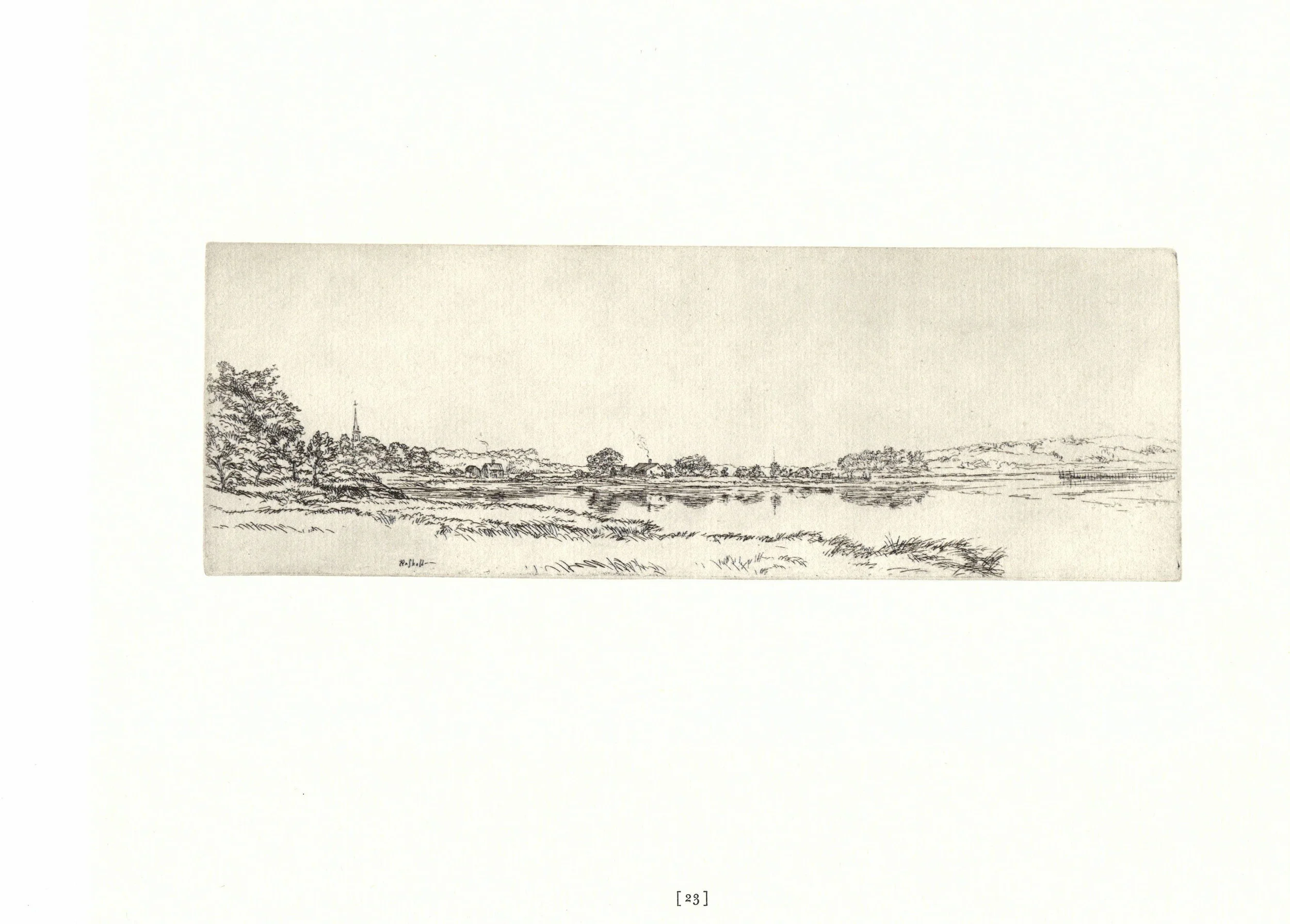
The same man would saunter by our little house every evening. His shadow stretching out behind him down the slope just to rush up and catch him briefly at the crest of the next hill. Our place stood at the crest of a hill so he would arrive alone to greet us and be joined by his shadow. We weren't to do more than acknowledge the greeting. There was no clear reason for it, just some tacit understanding that he was not approved of. Perhaps our dour and distant landlady had passed some wordless clues to our parents. So we’d move to the side of the road and stop bouncing the ball back and forth. He’d pass by, smile. I see him in a cap, his hands in his pockets and a jacket hanging in the loop of his arm. Shortly, just after dark we would hear the singing wending its way back along that two-mile shoreline.
But for now we would step back into the road and resume bouncing the ball.
And now in 2020 we walk too.
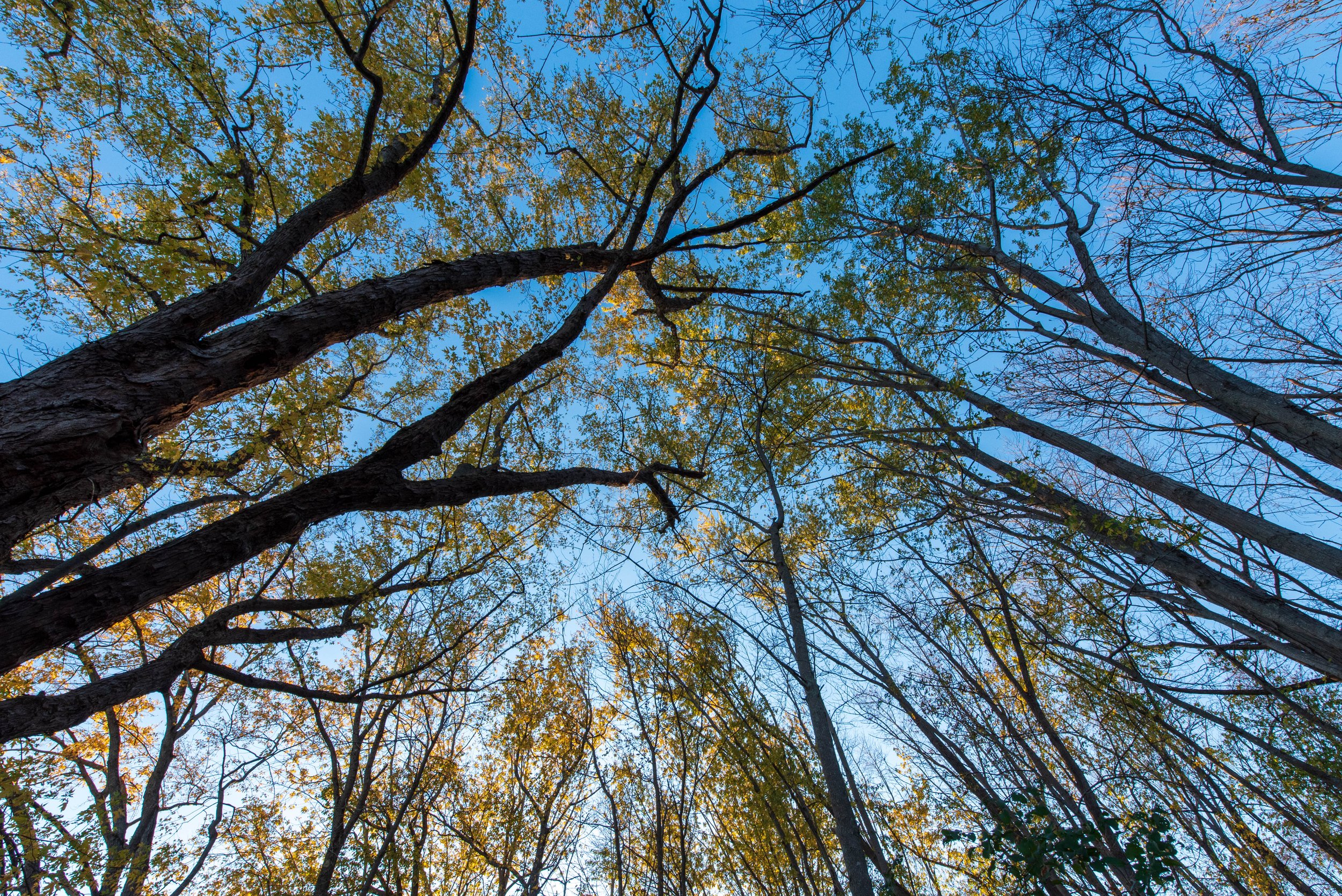
Relentlessly, sometimes with a grim resignation, we walked. The need to do anything but stay inside overcame inertia, indifferent weather, and habits generations in the making. At the same time came a sense of discovery, joy in simple things, the early greening of moss, the trickle of melt water in an otherwise quiet wood, paths through woods that we had not traveled since childhood, stumbling upon artworks placed in the woods to astound the infrequent passersby. It was spring after-all, or what counts for spring in Maine, so the signs of renewal were there. And we were forced outside to greet them.
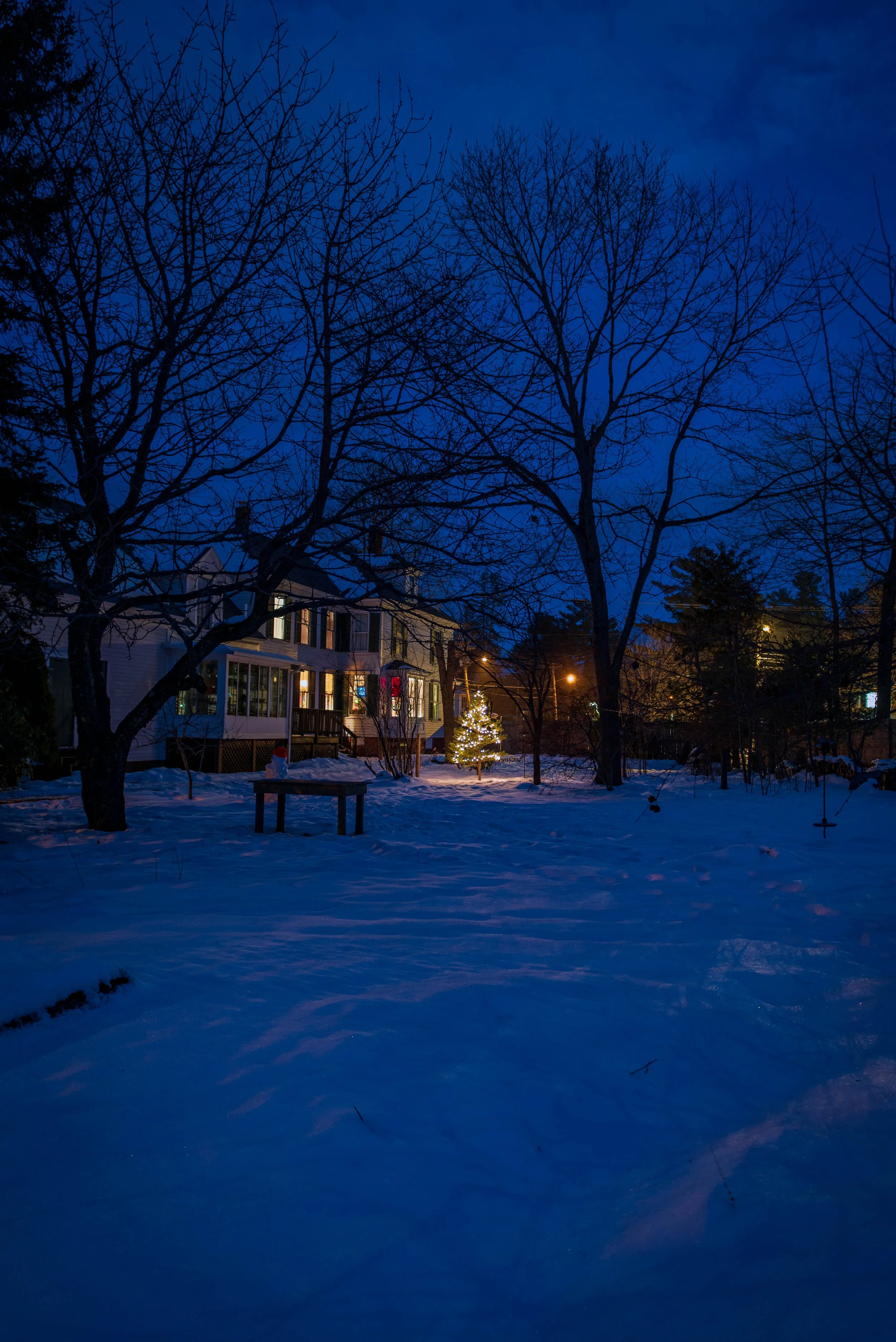
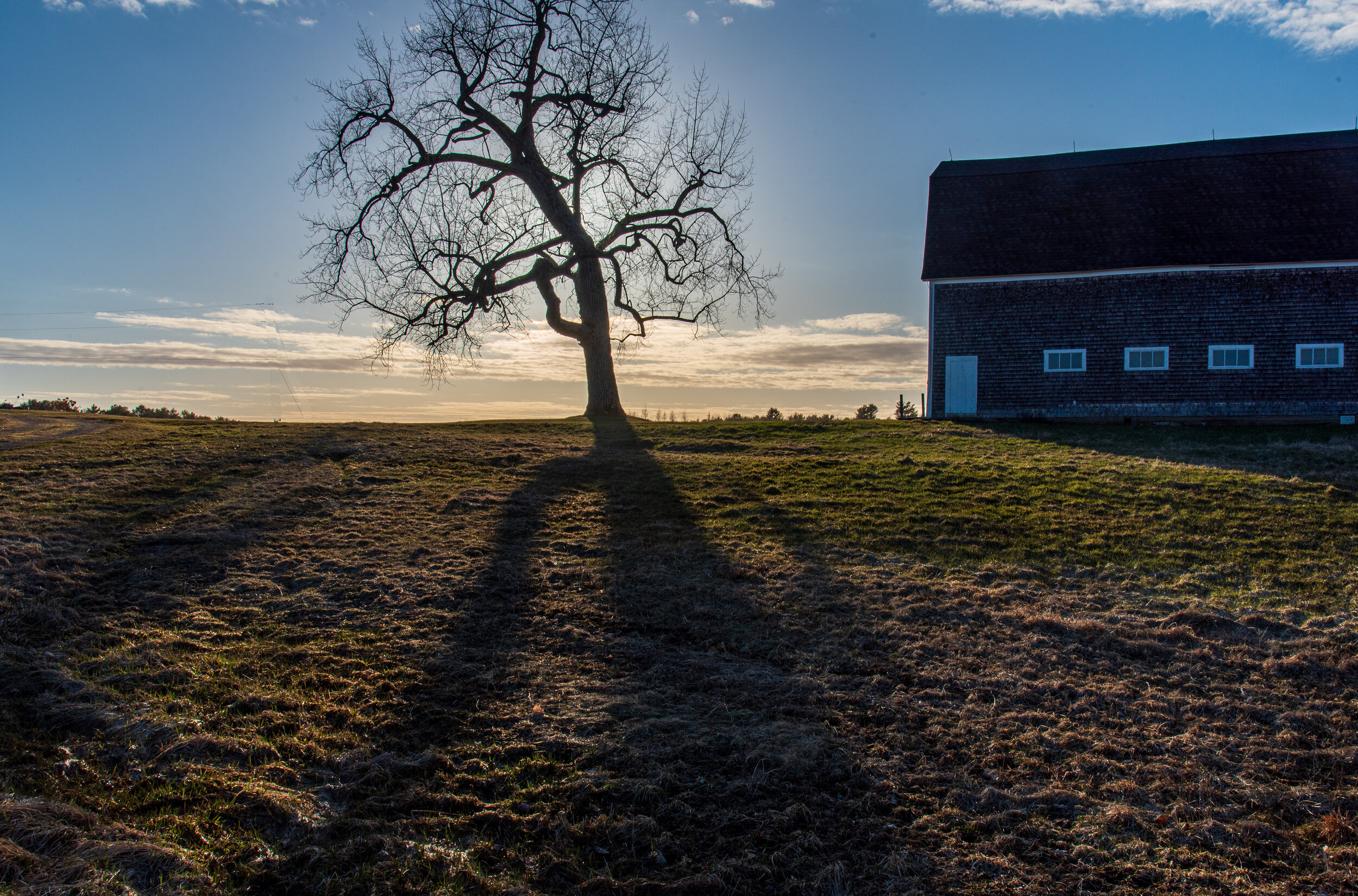
The photo of the tree and the barn with its long twilight shadows was taken just two or three weeks into the 2020 lockdown. Our local schools had last welcomed students in person March 12th, my wife was working from home, my oldest had been sent home from college. Only I left the house on a regular basis to a work place radically changed where a mood of, at times, grim, dutiful, determination drove us to normalize the abnormal. On the way home I would stop at, a local market with a keen sense of its responsibilities and purpose in this new and peculiar time. I would scout for an available pound of butter, bag of sugar, or perhaps a treat.
And then we would walk.
Sometimes together, sometimes separately. It was not long before we and others stumbled to the fact that the neighborhood streets no longer met the need. The awkward glances exchanged during the pas de deux of greeting an oncoming walker called for new territory. Hesitant parallel steps from the curb to cross the street lest we cross wakes of exhaled breath not yet cleansed by the daylight and breeze, followed by both resuming the curb before some gesture or nod cemented who would cross and who would stay drove us to more far-flung spaces. A short drive and leaving the car by the side of some rural road opened new territory; even there there were others.
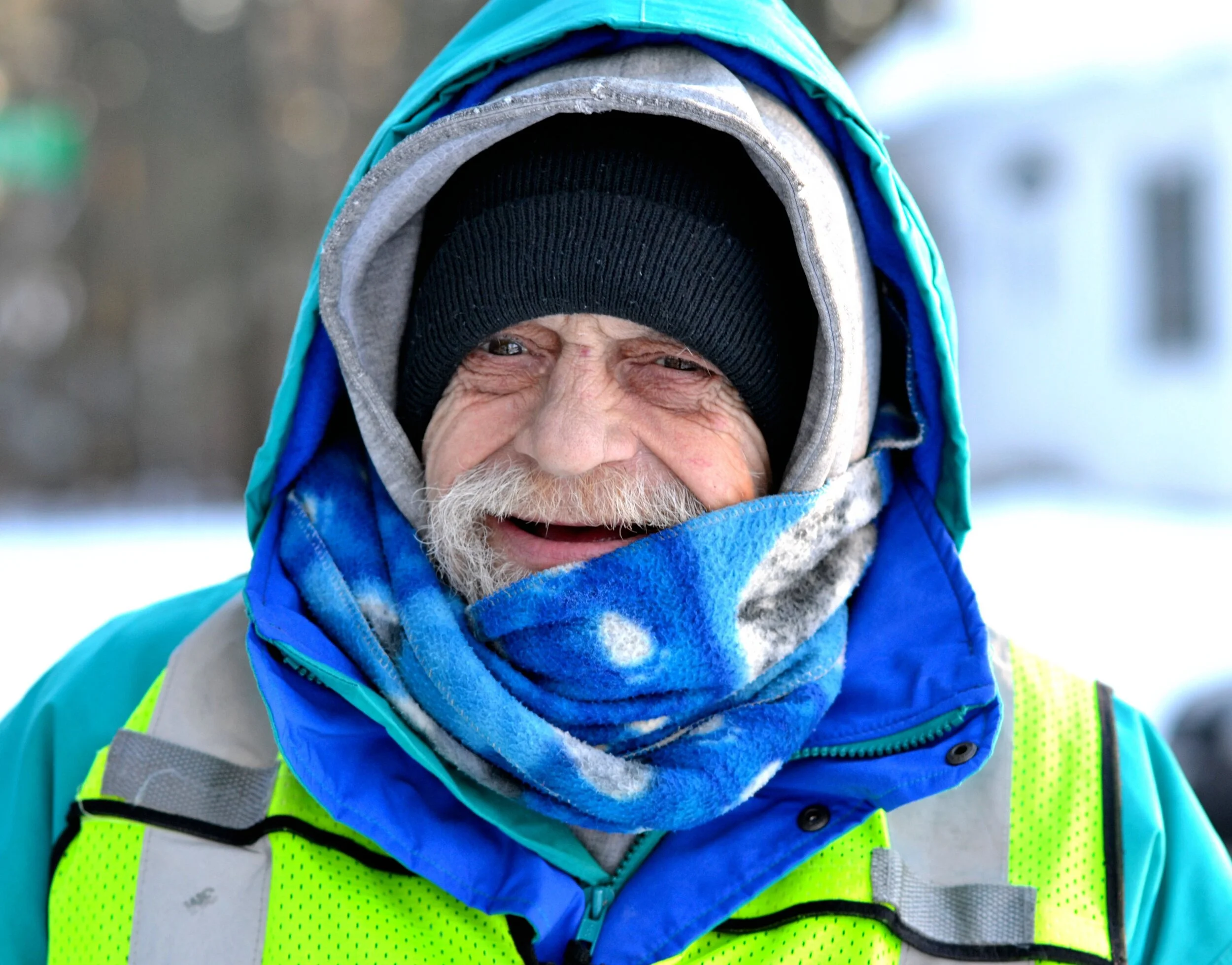
An old navy base in my town has a stretch of disused road and paths on the near side of the runways. I would bike out there in the evening. For six weeks I never went on the property without running into a man I know and his wife; sometimes their grown children were along. I have known this man casually since childhood; he’d been an intimidating kid, a little older, quick to take on the smoking habits of his tribe, a disruptive presence in school. Not a walker by nature, he speaks with the rasp of a man who is never far from a smoke. Bundled against the March wind cutting across the airfield his garment was a vintage snowmobile jacket emblazoned with a sled makers’ logos. No hi-tech fibers of the outsider. Nonetheless they too were driven out for ninety minutes in the weak sunlight. We greeted with a nod and a wistful smile, acknowledging another day’s meeting on the little patch of earth that we do share.
I met a neighbor maybe three miles from our block. I asked him if he was going any place special. “No. Just going.”
Coming home from work on a backroad at a crossroad nearly two miles from town I was slowed by traffic yielding for pedestrians. Usually empty, this intersection had seven pairs of walkers making their ways.
After traversing two land trust properties and a friendly farm my wife and I headed to a town owned patch of woods that leads down to the bay. We had gone too far from home to get back in time to make supper so we called our daughter for a ride. Another time bushwhacking through the woods near the shoreline on that same old navy base we got turned around and had to use location services on the iPhone to show us where on God’s Green earth we were.
A muddy afternoon on one of the more obscure trails of neighboring Freeport’s land trust left us starring in disbelief at a mail box with a name, street number and adjacent newspaper receptacle deep I the woods on rutted, rocky, root filled track wide enough to maybe accommodate a 1979 VW Rabbit. It was wet, there was still plenty of snow deep in the woods, the paths were a quagmire, so we improvised wandering through the woods just off the trail.
Yet on each of these walks we met people. There were the hardcores and wannabes, crisp synthetic fibers, hydration systems, and hiking poles to aid the conquest of a meandering path through a copse, but there were also tank tops, faux-camo, and Mountain Dew.
There is an expectation about conserved public land. We are owed some kind of pay-off. But so many of these walks were just quiet, subtle meanderings that I question that perception of accessible public lands.
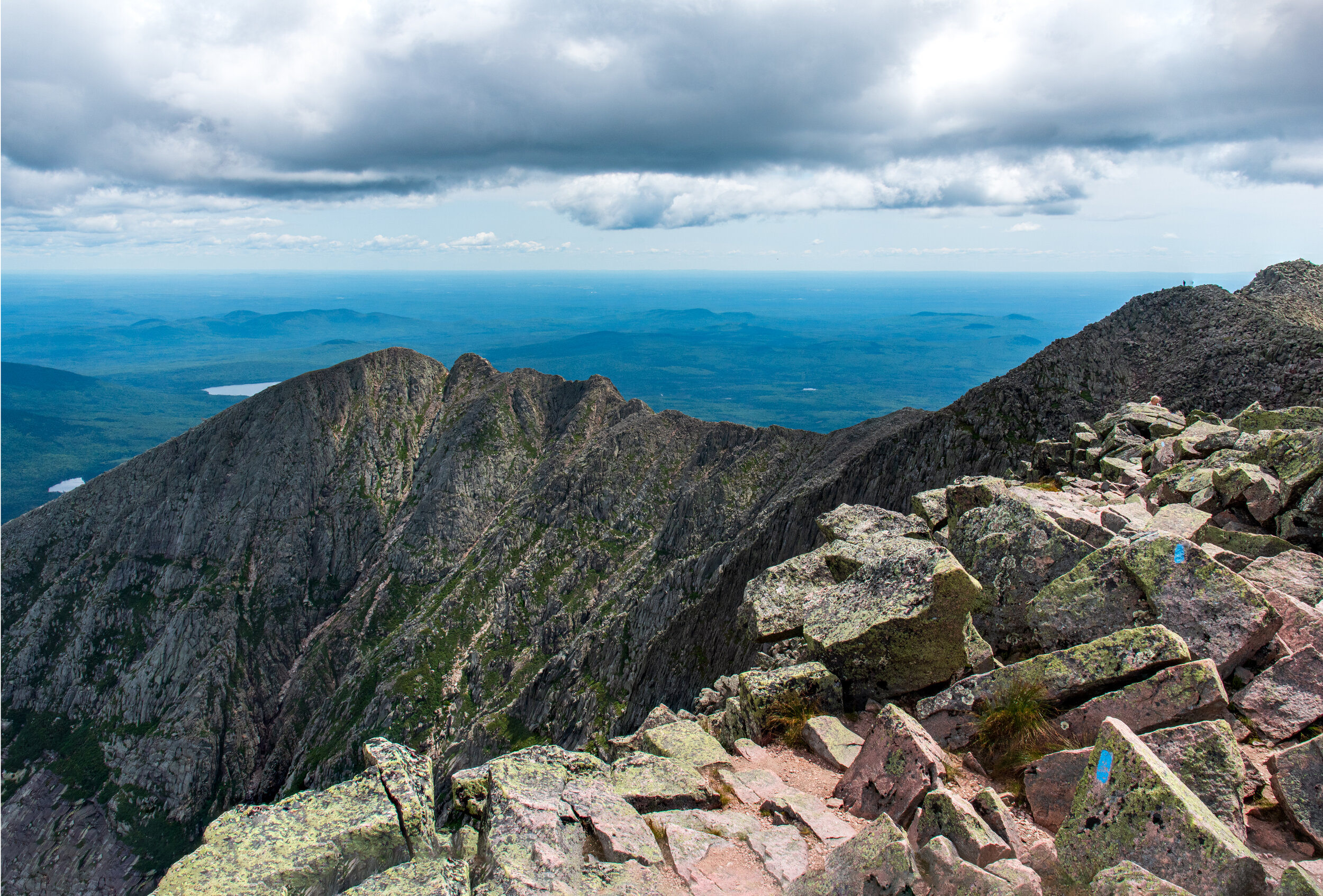
All the websites, Facebook pages, and campaign materials feature the big pay day: cliffs, waves, mountain tops with water views, kayak camping on remote islands. Make no mistake, a walk that culminates in a crescendo is a fine thing. But if that is all you want you will miss the fine details, the chance “to see the world in a grain of sand.”